
How to Get the Most from Online Table Games


I’ve accumulated hundreds of hours at online tables, and here’s the thing: most casual players never unlock the full potential of what these games offer. At bonus code chancecasino in the UK, every click is a decision that nudges the odds one way or the other. In this guide, I’ll take you through game selection, bankroll mechanics, bonus terms, live dealer etiquette, device setup, payment tactics, and the kind of discipline that keeps a seasoned player in control while dabblers bounce around. Everything here is drawn from real sessions, no filler. Let’s dive in.
Select the Right Table Game for Your Gaming Style
I notice it all the time at Chance Casino: players are drawn to the shiniest thumbnail on the homepage without first considering what type of session they’re after. Table games fall into three rough families. There are strategy games where your decisions directly shape the return, blackjack and poker variants are prominent. Then you’ve got fast‑paced social games where atmosphere and rhythm are more important than perfect play. Finally, there are pure prediction games like roulette and baccarat, where tempo management is everything. Recognizing which family fits your personality makes every later choice easier. Blackjack and poker variants reward players who learn basic strategy charts and note rule tweaks. Roulette and baccarat depend more heavily on bankroll pacing and session structure, since each spin or hand is independent. Understanding this split stops you from applying the wrong mental model to the wrong game.
If you enjoy control and hate feeling passive, a favorable blackjack table where you can split and double down is far more rewarding than a single‑zero roulette wheel where you just lay chips and wait. At Chance Casino, you’ll find multiple blackjack variants with side bets. I recommend ignoring those side bets until you’ve mastered basic strategy, the house edge on Perfect Pairs or 21+3 can quietly drain your stack. For players who excel on rhythm, baccarat offers an elegant pace, and the banker bet consistently carries one of the lowest house edges in the whole casino. The key is aligning your temperament to the table’s cadence so discipline feels natural, not forced.
Craps merits a special mention. A lot of UK players avoid it entirely, but a smooth craps table is one of the most rewarding environments in the casino if you stick to pass line and come bets with full odds backing. The visual clutter of the layout discourages people, but the core strategy is easier than it looks. I instruct new players to watch ten minutes of a game before putting down a single chip. At Chance Casino’s digital tables, watching the flow makes the shift smoother, and you’ll quickly spot which bet types experienced players avoid.
Understand the Built-in Edge and RTP Fundamentals
Nothing determines your long‑term results more than the numbers baked into each table game. Yet I still encounter players who have never looked up a single house‑edge figure. The concept is straightforward: every game offers the casino a built‑in mathematical advantage, represented by the percentage of each wager the house anticipates to keep over millions of hands or spins. In single‑zero European roulette, that edge is 2.70%. European blackjack with favourable rules and perfect basic strategy can drop below 0.5%. The gap between those two numbers is massive, and it directly reflects how long your bankroll will last on average. Understanding these figures isn’t optional if you want to optimise from your play.
At Chance Casino, you’ll find both American and European roulette formats. I recommend you to select the single‑zero wheel every single session. The double‑zero variant nearly doubles the house edge to 5.26%, and that’s a silent bankroll killer over two hours of play. The same principle applies across the whole lobby. Baccarat’s banker bet lies around 1.06%, while tie bets regularly top 14%. Even within blackjack, rule differences like whether the dealer stays on soft 17 or whether you can double after splitting create edge variations of up to 0.40%. The casino publishes full game rules for every table; reviewing those rules before you deposit is one of the highest‑return habits you can build.
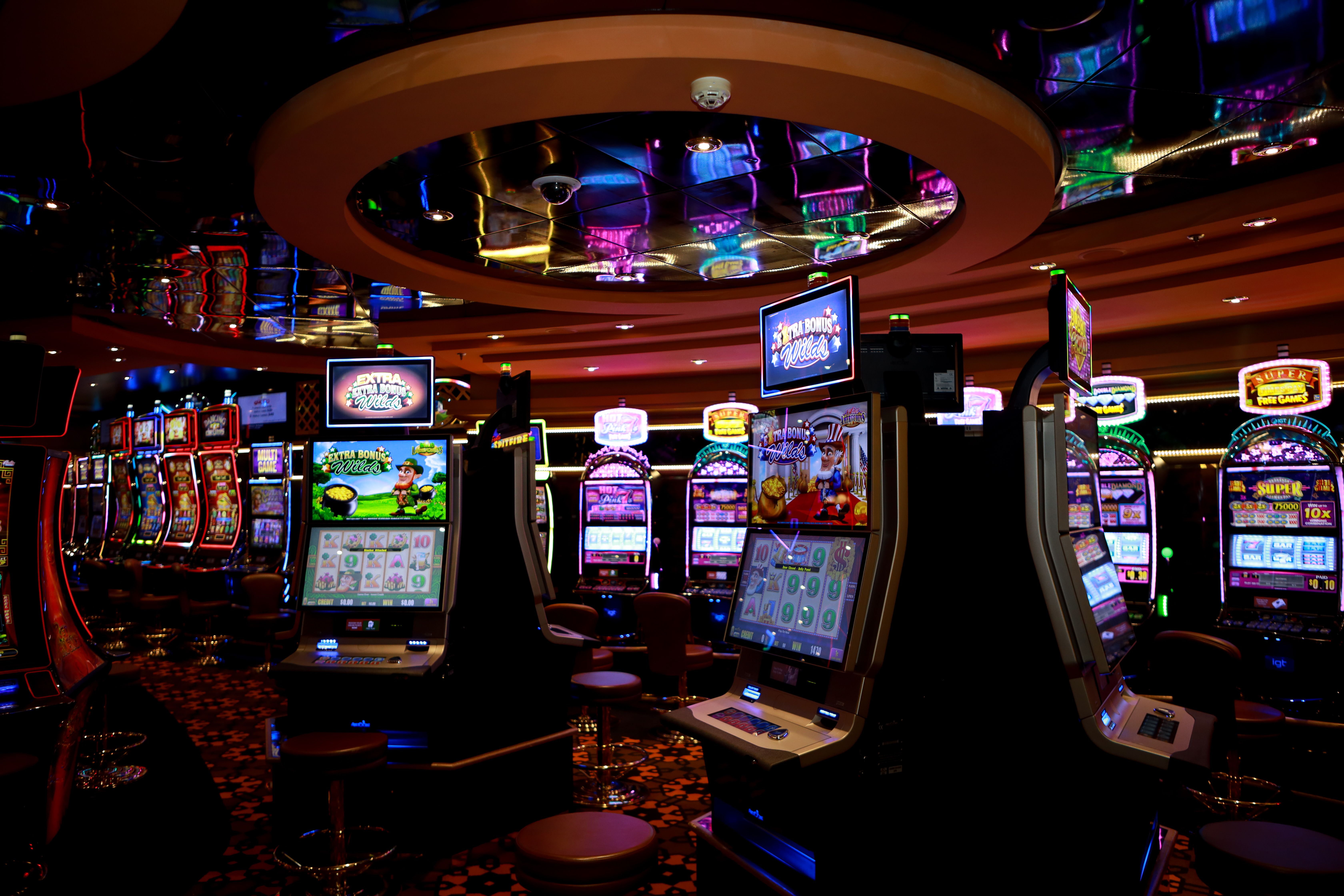
Return‑to‑player percentage, or RTP, is the flip side of house edge. It gets talked about more with slots, but I employ it as a cross‑check for table games where extra features complicate the calculation. When you notice a blackjack side bet or a roulette racetrack, wonder what sub‑RTP that specific feature has. Almost every side bet in the UK market operates below 95% RTP, while the main game often lies closer to 99%. Holding the core wager separate from the add‑ons in your mind ensures your bankroll aimed at the highest‑value opportunities on screen.
Structure Your Bankroll As a Seasoned Player
Most bankroll advice I read online is either too vague or overly complicated. Here’s the system I personally use. Start by determining the amount of a single session loss that would pinch a little but wouldn’t remotely mess up your monthly finances. Split that figure by 100. That’s your basic bet unit. If you can tolerate a £200 session loss, your base unit is £2. In blackjack, a single hand equals one unit at minimum, and you increase only when the count or your confidence warrants it. In roulette, spreading more than ten units across the layout per spin boosts your risk fast, so I keep total spin exposure tight even when playing multiple numbers.
Stack depth is the next layer, and it’s rarely discussed properly among UK players. Your session bankroll should be at least 40 of your base betting units, and optimally 60 or more if you plan to play for two hours. This buffer handles the natural variance every table game throws at you. At Chance Casino, where low‑stakes and mid‑stakes tables are both accessible, you can test your unit sizing on a £1 minimum blackjack table before scaling up. Watching twenty hands where you lose slightly more than you win makes the math tangible. Having sixty units behind you turns those patches into controllable dips instead of session‑ending cliffs.
Beyond the numbers, I advise a hard stop‑loss at 40% of your session bankroll and a soft win target at 30% above your starting amount. The stop‑loss is mandatory, chasing losses at table games compounds errors. The win target is softer: if you’re playing well and the conditions still work for you, I see no reason to stand up automatically. But when you hit that 30% mark, take a moment and ask yourself honestly whether you’re still sharp or whether excitement is starting to replace calculation. That moment of reflection matters more than the exact percentage figure.
- Define your session loss tolerance in pounds.
- Split by 100 to get your base bet unit.
- Times your base unit by 40–60 for your session bankroll.
- Put a hard stop‑loss at 40% of your session bankroll.
- Establish a soft win target at 30% above your starting amount.
Wagering Requirements: The Questions You Must Ask
Any welcome package or reload offer at Chance Casino comes with specific terms that affect how your table game session plays out. Skip the fine print and you invite frustration. The most critical number is the wagering requirement, usually a multiple of the bonus amount or the deposit plus bonus. A 35x wagering requirement on a £100 bonus means you need to place £3,500 in total bets before you can withdraw any bonus‑derived balance. That figure alone isn’t terrible, but the real question is which games contribute at what rate. Virtually every UK casino I’ve reviewed applies reduced contribution percentages to table games compared to slots.
What is a wagering requirement?
A wagering requirement is the total amount you must bet before bonus funds or associated winnings become withdrawable. It’s usually a multiplier of the bonus amount or the deposit plus bonus. For example, a 30x requirement on a £50 bonus means you need to wager £1,500. Be sure to check whether the requirement applies to the bonus only or to the deposit plus bonus, the latter increases the effective target. The terms page at Chance Casino states this clearly, and I read it before every claim.
How exactly do table game contributions affect my play?
The hidden percentages are the hidden lever that can make a bonus extremely difficult to clear at table games. Standard percentages for blackjack and roulette fall between 5% to 20%, while slots often contribute at 100%. I will illustrate how pronounced the difference gets. Imagine you take a £50 bonus with 30x wagering and a 10% table contribution rate. Your effective wagering target for table play soars to 300x, or £15,000 in blackjack hands. At £1 per hand, that’s 15,000 hands, a number most recreational players rarely achieve. I am not suggesting avoid bonuses completely. Some promotions, particularly cashback offers or specific table‑game rebate deals, feature far more reasonable structures. The essential practice is checking the contributions table on the promotions page before depositing, each and every time.
Example: The true expense of a bonus
Picture a £100 bonus with 35x wagering and a 10% table contribution. Your realistic wagering goal becomes £35,000. At £2 blackjack hands, that equals 17,500 hands. Even at a fast pace, you would need dozens of hours. Meanwhile, the house edge erodes your bankroll. I only claim bonuses where table contribution is at least 20% and the wagering window is thirty days, so I can complete it without hurrying my unit sizing.
Deadlines add pressure. Betting windows of 7 to 30 days are standard, and I lean toward offers with a full 30‑day window if I’m combining table games into my play. A short timeframe pushes you toward faster bet sizing that can break your bankroll unit discipline. Also check maximum bet rules during wagering, they typically cap you at £5 per round or hand. Going over that cap can nullify the bonus and any winnings derived from it. I treat these rules as non‑negotiable boundaries because bonus terms are binding once you opt in. At Chance Casino, the promotions hub clearly shows these conditions, so set aside five minutes and go through them in full.
Enhance Every Layer of Your Play Environment
Your environment affects decision quality more than most players realize. I play table games across phone, tablet, and desktop, and each device brings different advantages and drawbacks. Mobile play at Chance Casino runs smoothly, with intuitive chip placement and clear card readability, but the smaller screen area reduces information. I use mobile for roulette and baccarat, where the decision tree is less complex, and use desktop or a large tablet for blackjack variants where I might want to consult a strategy chart on a second screen. That approach alone has noticeably reduced my error rate in multiple‑choice hands.
Notification management appears trivial, but it’s not. A single push alert during a pair‑split decision can break your focus and result in a hasty, suboptimal play. Before I join any table, I turn on do‑not‑disturb mode and close unrelated browser tabs. On Chance Casino’s platform, the game loads quickly and the interface is clean, but your local environment still plays a role. Check your internet stability before entering a live stream; a dropped connection mid‑hand at a live blackjack table typically closes your hand automatically, and the casino’s rules will consider that as a loss if the hand was active. Eliminating technical interruptions is entirely within your control and far less complicated than fixing the emotional aftermath.
Lighting, posture, and session timing complete the environment checklist. I never engage in table games when I’m tired because my sharpness diminishes measurably after ten hours awake. Arranging sessions for midday or early afternoon, when cognitive sharpness peaks for most people, produces better results. Place yourself in a chair with proper back support rather than sinking into a sofa. These adjustments cost nothing and require no special equipment, but they directly improve the quality of every decision you make over a hour‑and‑a‑half session. Approach your setup as diligently as you handle your bankroll.
- Enable do‑not‑disturb mode on all devices.
- Shut unrelated browser tabs and apps.
- Test your internet connection for stability.
- Place yourself with proper back support and good lighting.
- Verify you are not fatigued before starting.
Let Live Dealer Tables Help You, Instead of Against You
Live dealer tables are the nearest digital equivalent to a land‑based casino floor in the UK, and they change the rhythm of play in ways automated RNG tables never match. When I transition from digital blackjack to a live stream, the first thing I observe is the pace: real dealers, real cards, and real waiting moments slow the game to roughly fifty hands per hour instead of several hundred. That slower cadence is your ally because it reduces the rate at which the house edge grinds against your bankroll. I actively employ the pauses between rounds to record results, check my remaining session balance, and mentally reset before the next decision.
Interaction quality varies across providers, and Chance Casino’s live lobby typically features tables from studios like Evolution, which put resources heavily in stream clarity and dealer training. Chat functionality is more than a gimmick. A courteous exchange with the dealer and fellow players establishes a social anchor that maintains you seated and engaged in a positive frame, that reduces the temptation to chase losses through angry betting. But I’ve also seen players get so caught up in chat that they overlook doubling opportunities or hasten decisions because they feel watched. My rule is simple: embrace the social layer warmly, but return your full attention to the action five seconds before every dealing window closes.
Table limits at live dealer sections often run higher than their RNG counterparts, which makes unit sizing even more critical. A live blackjack table with a £5 minimum needs a session bankroll of at least £200 by the forty‑unit rule I explained earlier. I scout the lobby thoroughly before sitting down, because Chance Casino usually provides multiple stake tiers. Picking the right one is half the battle. Also verify whether the variant uses a continuous shuffling machine or a traditional shoe. A shoe‑dealt game lets you monitor card flow patterns over multiple hands even if you’re not counting, and that observational data can gently improve your intuition about remaining deck composition.
Control Your Account and Develop Habits That Last
The financial framework of your casino account is important just as much as the games you pick. Deposit hassle, withdrawal pace, and responsible‑gambling tools all shape your long‑term connection with table gaming. Chance Casino provides a range of payment methods prevalent in the UK, including debit cards, ewallets like PayPal and Skrill, and bank transfers. I firmly prefer ewallets for table gaming because they establish a natural separation between my current account and my session funds. Sending a fixed amount to an ewallet and then depositing from that to the casino generates a double confirmation step that blocks impulsive reloading after a losing session.
Withdrawal processing times vary by method, so review the cashier page for current figures. Ewallet withdrawals often appear within 24 hours after approval, while card payouts can require three to five business days. The pending period, where a withdrawal can still be canceled, is a major psychological snare for table game players on a downswing. I turn off the reverse‑withdrawal option if present, or I handle the pending window as a cooling‑off zone where no new deposits are authorized. At Chance Casino, account settings typically contain time‑out features and deposit caps. I encourage you to set up these right after registration rather than waiting until a tough moment compels the issue.
Transaction histories offer a mirror that many players prefer not to check. I assess my net position across table sessions monthly, because aggregate numbers uncover patterns that individual sessions hide. If baccarat consistently demonstrates a tighter loss range than roulette across thirty sessions, I’ve discovered something real about my personal fit with those games. Responsible‑gambling tools on the platform, time‑awareness timers and loss limits, are not punishments for problem players; they’re performance tools for anyone who wants to keep up table gaming as a long‑term hobby rather than a series of dramatic spikes and crashes.
Everything I’ve described converges on a single principle: sustained, methodical habits produce more satisfaction and better results than hasty, session‑by‑session reactivity. The players I know who get the most from online table games treat each month as a learning cycle. They record their sessions briefly, noting which variants they played, how closely they stuck to their unit sizing, and what errors they spotted themselves making. This kind of record requires three minutes per session and pays back by revealing drift before it becomes permanent. At Chance Casino, where the game lobby is wide enough to invite experimentation, having a log roots you to what actually works rather than what’s merely new and shiny.
One more habit I rate highly is sustaining a small practice budget on the lowest‑stakes digital table of your favorite game. At £1 minimum blackjack or 10p roulette, you can try out a tactical tweak, like adjusting when you split pairs or how many neighbours you cover on a racetrack, without jeopardizing meaningful money. The digital tables run fast, so you can gather fifty data points in ten minutes and observe how the adjustment functions. View this practice mode as a laboratory, not a profit centre, and you’ll reach higher‑stakes live sessions carrying tested ideas rather than unverified theories.
The final habit is mercilessly honest session assessment. After a losing session, I compel myself to distinguish between bad luck and bad play. Losing seven blackjack hands in a row while playing perfect basic strategy is variance. Doubling on a soft 18 against a dealer 9 because I was restless is a remediable mistake. Chalking up variance for the second case lets errors continue. Applauding luck as skill after a winning session does similar damage. At every table, on every device, and with every payment method, the player who upholds this keen separation between randomness and decision quality will always gain more from the experience than the one who never looks inward.
- Record every session briefly: the game, bet sizing, and errors.
- Maintain a simulated budget on low-limit digital tables.
- Following each session, distinguish unfavorable variance from mistakes.
Take these frameworks, apply them regularly at Chance Casino’s tables, and evaluate the impact not by any single win but by how you feel your command, focus, and satisfaction after thirty sessions. The house edge is real and lasting, but your edge over your own former self is something you can increase endlessly. Begin with one adjustment from this article today, the one that feels most immediately actionable, and let that one shift demonstrate the principle before you add the next. Table games benefit patience, and you’ve just provided yourself a full arsenal to reap that reward.