
How to Master Red Dog Online
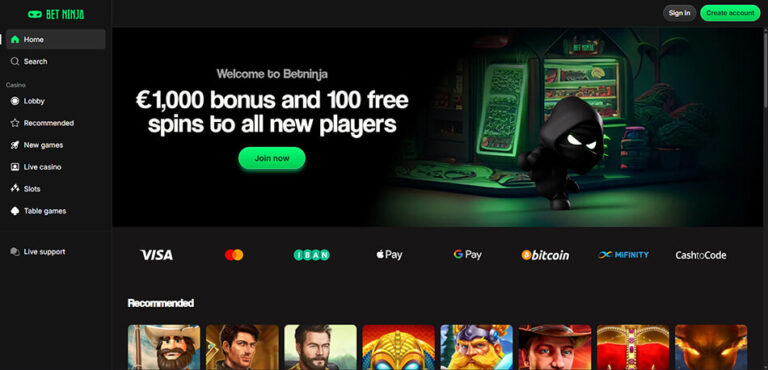
Red Dog, casionally called Acey-Deucey or In-Between, is one of the simplest, quickest card games you will encounter at any virtual casino. We’ve watched this subtle classic gradually gain fans among Belgian players who desire something that doesn’t need memorising strategy charts or experiencing endless bonus rounds. The entire game revolves around a single question: will a third card’s value land exactly between the two cards already on the table? That’s it. Regardless of its simplicity, Red Dog has a rhythm that appears easygoing but never boring, turning it into a ideal breather between more demanding table games like blackjack or poker. At Betninja Casino, we’ve developed an online version that maintains the soul of the original intact while providing you with the sharp visuals and responsive performance Belgian players anticipate. Understanding the core mechanics requires minutes, but the excitement that grows as the dealer shows each card keeps the experience from becoming dull. The spread between the cards determines both the payout and the strategic importance of your decision, turning a direct prediction into a moment of true anticipation.
The Historical Roots of Red Dog
The first versions of Red Dog go back to the saloons and riverboats of the 19th-century United States, where it developed a name as a rapid banking game that prospered on group enthusiasm rather than fierce competition. The European aristocracy had their rigid Baccarat structures and the numerical puzzles of Faro, but the American frontier needed games you could run through with nothing more a deck of cards and instructions anyone could grasp in five minutes. In those rough-and-tumble settings, players gathered around a sole dealer who managed the bank, and the game progressed at a breakneck pace, often with plenty of loud commentary from the onlookers watching. As gambling traditions travelled across the Atlantic, software developers identified the pure potential of adapting Red Dog for a digital audience that fits today’s Belgian players. At Betninja Casino, we’ve made sure the transition from traditional table to digital display retains all of that traditional charm, even as we add digital conveniences like immediate shuffling and automated payout calculations. The fact that the game has lasted more than a century says something about the broad pull of its central mechanic, which leans on intuition and luck instead of daunting card-counting techniques.
Handling Your Bankroll for Extended Sessions
Enduring enjoyment of online Red Dog hinges less on miraculous winning streaks and more on prudent bankroll management that prolongs your playing time and protects you against natural variance. We suggest starting with a session budget clearly distinguished from your daily living expenses, regarding the game as paid entertainment rather than a promised income stream. A handy rule of thumb that benefits many Belgian players well is to split your session bankroll into at least fifty equal betting units, so a single unlucky swing doesn’t wipe out your ability to keep playing. Because Red Dog lets you double your wager when you choose to raise, your effective exposure on any given round can be twice your initial ante, and your unit sizing needs to account for that. If your session bankroll is one hundred euros and you go with fifty units, each unit equals two euros, meaning a raise on a wide spread would commit four euros to that particular hand. This level of granular control stops the emotional spiral that often follows placing a stake that felt too large in hindsight. We also suggest setting both a win ceiling and a loss limit before your first ante, creating hard boundaries that tell you when it’s time to step away no matter how the cards are falling. The speed of Red Dog makes it easy to lose track of time, so checking your balance against these predetermined limits every so often keeps the experience positive. At Betninja Casino, our platform includes reality-check features that can help you stay aware of your session duration and spending patterns.
Complete Guide to Playing a Round
Kicking off a game of Red Dog at Betninja Casino proceeds in a logical order we’ve streamlined so it feels intuitive even when you’ve never handled a card game before. The session begins when you pick your chip size and make an initial wager in the Ante circle at the center of the table. After you approve the bet, the dealer lays down two cards face up, and these become the boundaries the potential third card must land inside for you to win. The software instantly checks the spread between the two visible cards, counting the number of ranks positioned between them. If the two cards are consecutive, like a seven and an eight, the spread is zero and the round stops then in a push, returning your stake with no profit and no loss. If the two cards display the same rank, creating a pair, things heat up because the dealer draws a third card immediately. Should that third card equal the pair, you earn an 11 to 1 payout, but if it is different, the hand simply pushes. When the spread is one or greater, you arrive at the strategic crossroads of the game: you must choose whether to increase your bet or call. Deciding to raise multiplies by two beurs.fd.nl your original wager and instructs the dealer to draw the third card, while calling maintains your stake where it is and moves forward to the draw. The third card appears, and if its rank lies exactly between the first two, you win per the posted paytable. After the third card appears, the game without delay assesses the result, with winning outcomes awarding based on the spread size, while a card outside the range or matching either boundary signals a loss.
The beauty of this process is in its pace, which we’ve calibrated to feel neither rushed nor sluggish for players across Belgium. You need to grasp that the boundaries are specific, so a seven and a queen with a third card of seven is a defeat, and the same goes for a third card of queen. We’ve put true effort into the draw animation, using delicate effects that build anticipation without leaning on flashy distractions. The moment a round ends, your balance updates right away and the system gears up for the next hand automatically, waiting only for you to place another chip. This smooth cycle of bet, reveal, decide, and resolve encapsulates the addictive simplicity that has turned Red Dog into a surprise favorite among table game fans. After just a few rounds, the sequence becomes instinctive, freeing your mind to focus on the deeper tactical aspects we’ll get into next.
Common Mistakes to Avoid as a Beginner
Even a game as beautifully simple as Red Dog has pitfalls that can catch newcomers off guard, and we’ve catalogued the most frequent errors to hasten your learning curve. The first and most prevalent mistake involves misinterpreting the exclusivity of the boundary cards, which leads to uncertainty when a third card matches one of the initial two ranks and the hand gets declared a loss. Internalising that « between » means strictly between, with no allowances for matching the edges, avoids the disagreeable shock of thinking you’ve won only to watch your bet get taken by the house. Another common blunder is raising on every single hand without assessing the spread, a habit that turns a analytically layered game into a pure coin flip with worse odds. We also see beginners fixating on the rare 11 to 1 pair payout and chasing it by placing bigger antes in hopes of securing the jackpot, a behaviour driven by the same faulty logic that keeps lottery ticket sales thriving. The payout for a matched third card on a pair is thrilling, but trying to compel it through bet sizing disregards the independent randomness of each hand. A finer error involves forgetting to check the specific paytable of the Red Dog variant you’re playing, since slight differences in payout ratios can significantly shift the house edge over time. We also caution against the gambler’s fallacy, that persistent whisper that a losing streak must be followed by a win; each hand of Red Dog is an independent event governed by a freshly shuffled deck, and past outcomes carry zero predictive power. Recognizing these errors helps you step up to the table with the understanding that separates a prepared player from a reckless one.
Comprehending the Red Dog Table Layout
When you access the Red Dog section at Betninja Casino, the interface presents you with a uncluttered table design that eliminates any visual clutter. The digital felt has a main betting area sitting prominently at the centre of the screen, where you put your initial ante before a hand begins. Just above or beside this zone, the game shows the two starting cards drawn by the software’s random number generator, serving as your digital dealer. On a physical table, cards can get accidentally revealed or knocked askew, but our online setup assures every card stays perfectly aligned and fully visible to Belgian players without any obstruction. One element that defines the layout is the spread indicator, which determines and presents the number of card ranks separating the two visible cards in real time. This numerical gap becomes the intellectual pivot of your decision-making, since it directly determines whether a third card can mathematically land between them. Below the spread display, you’ll see clearly labelled buttons for the Raise and Call actions, designed to respond instantly to a touch or click with zero lag. The payout table, usually situated into the upper corner, lies there as a constant reference, telling you of the odds tied to different spread sizes. We’ve also included a running balance meter and a history panel for anyone who prefers tracking the ebb and flow of a session without crowding the main playing area.
Increasing Versus Calling: A Tactical Framework
The raise-or-call decision lies at the heart of any in-depth talk about Red Dog strategy, and we want to give you a simple, actionable framework for managing it. When the two starting cards are far apart, creating a spread of seven or more ranks, the probability of the third card landing inside the range goes high, often topping seventy percent. In these spots, raising your bet isn’t just an assertive impulse; it’s a mathematically sound move that generates maximum expected value from the game’s most predictable moments. The logic is straightforward: you put more money on the line when conditions benefit you most, extracting better returns from the hands where the odds are clearly on your side. On the flip side, when the spread is small, especially at one, two, or three ranks, the mathematical likelihood of success drops sharply while the payout increases. Here, the strategic picture gets more nuanced because raising doubles your exposure to a low-probability event, which can eat through a bankroll that isn’t ready for sustained variance. Many experienced players at Betninja Casino use a mixed approach, calling on narrow spreads to preserve capital while raising aggressively on spreads of seven or higher. Some set a personal threshold, maybe raising only when the spread hits four or greater, which balances risk and reward in a way that fits conservative bankroll management. Understanding the statistical backbone of the raise decision stops purely emotional betting patterns from taking over and turns a simple card game into a real engagement with probability.
The Key Importance of the Point Difference and Returns
The mathematical system driving Red Dog focuses entirely around the spread, Betninja Casino, and grasping this relationship transitions you from a casual player to an educated player. The spread is the number of distinct card ranks sitting strictly between the two displayed cards, and the game’s paytable adjusts dynamically based on that number. officiële bron At Betninja Casino, we organize the payouts as follows to reward rarer outcomes in relation to their chance:
- Spread of 1: Offers 5 to 1 on your full stake, mirroring the statistical rarity of a one rank appearing from the leftover deck.
- Spread of 2: Pays 4 to 1, still a generous return for a reasonably small gap.
- Spread of 3: Pays 2 to 1, balancing frequency and reward at a solid middle ground.
- Spread of 4 or more: Pays 1 to 1, an even-money wager that occurs frequently but delivers smaller individual returns.
This opposite relationship between probability and reward sits at the core of the game’s design, maintaining the house edge while still presenting opportunities of significant win potential on the smaller gaps. We encourage Belgian players to glance at the paytable before starting a session, since minor variations can arise between various software providers, though the main structure stays remarkably consistent. Realizing that a spread of one means a high-risk, high-reward case helps you mentally prepare for the fluctuation those bets inherently carry. The game’s openness in presenting you the spread before you commit to a raise or call is what makes Red Dog so distinctly democratic; you’re always making an educated selection rather than a blind gamble.
Practical Tips for Playing Red Dog at Betninja Casino
To optimize your Red Dog sessions on our platform, we’ve compiled a set of practical tips that go beyond the rulebook and address the real-world side of online play. Start by using the free-play or demo mode we make available, which allows you to learn the game’s pace and the raise-versus-call options without putting at stake any real money. This sandbox is the place where you can experiment with bold raising strategies or conservative calling habits and watch the outcomes play out over numerous virtual hands. Once you transition to real-money play, focus on the shuffling process; online Red Dog usually reshuffles the deck after every hand, which takes away any card-counting possibility and strengthens the separateness of each round. Given Belgium’s multilingual landscape, our interface is offered in several languages, and moving to the one you’re most familiar with guarantees no subtlety of a payout table or rule description escapes you. When you’re confronted with an unclear raise decision on a spread of three or four, opting for a call rather than a raise is often the lower-variance path that protects your session longevity. We also advise creating deposit limits within your account settings before you begin playing, establishing a protective framework that stops hasty reloads during a difficult session. The next habits set apart always satisfied players from those who face unnecessary frustration:
- Experiment with strategies in demo mode first: Employ free-play to comprehend variance before investing real funds.
- Establish session time limits: The rapid pace of Red Dog causes it to be easy forget about hours played.
- Confirm the paytable each session: Make sure that the payout ratios match your expectations before making a single wager.
- Maintain a simple record of results: Tracking wins and losses informally can uncover patterns in your decision-making.
Playing Red Dog with this mix of tactical awareness and hands-on mindfulness positions you to derive real enjoyment from every session at Betninja Casino.
Discovering Red Dog Versions and Features
While the classic version of Red Dog remains the definitive experience, we’ve observed a growing appetite among Belgian players for variations that add delicate twists to the conventional formula. Some digital versions include a progressive jackpot side bet, where a modest additional wager entitles you for a continuously growing prize pool that triggers on certain rare outcomes, like consecutive matched pairs or three identical cards of a certain suit. These jackpot variants add a layer of long-shot excitement without touching the core gameplay, attracting to anyone who appreciates the lottery-like thrill of a life-changing payout alongside the orderly rhythm of the main game. Another variation you’ll find at Betninja Casino is multi-hand Red Dog, where you can play up to three parallel hands against the same dealer, increasing the action and concentrating more decision-making into a narrower window. For players who value visual immersion, certain versions offer themed tables with atmospheric audio and custom card designs that evoke settings from old western saloons to neon-lit contemporary lounges. Our platform routinely rolls out limited-time promotions built around Red Dog, like leaderboard competitions where the largest cumulative payouts over a weekend earn bonus credits or free spins. The fundamental structure that makes Red Dog compelling stays intact across all variations, which we see as a tribute to the strength of the original design. We encourage you to try these different versions with modest bets at first, letting you discover which combination of pace, payout structure, and aesthetic presentation matches your personal preferences best.